

We take custody of the record.
Governing documents, financials, contracts, insurance, minutes, rosters. Inventoried, reconciled, and moved into one system of record — because you cannot defend what you cannot produce.

Twin Falls, Idaho · EST. 2002
Full-service community association management for boards carrying more than volunteers were ever meant to carry.
 The Board Room
Position · 01
An association is a nonprofit corporation holding millions of dollars in shared assets — governed by neighbors who never signed up to be financial officers or compliance auditors.
That gap is where deferred maintenance accumulates, reserves fall behind replacement cost, and enforcement quietly becomes indefensible.
We close it. Not with more meetings — with systems, documentation, and continuity that hold whether the board changes or not.
The Work · 02
 Master-Planned
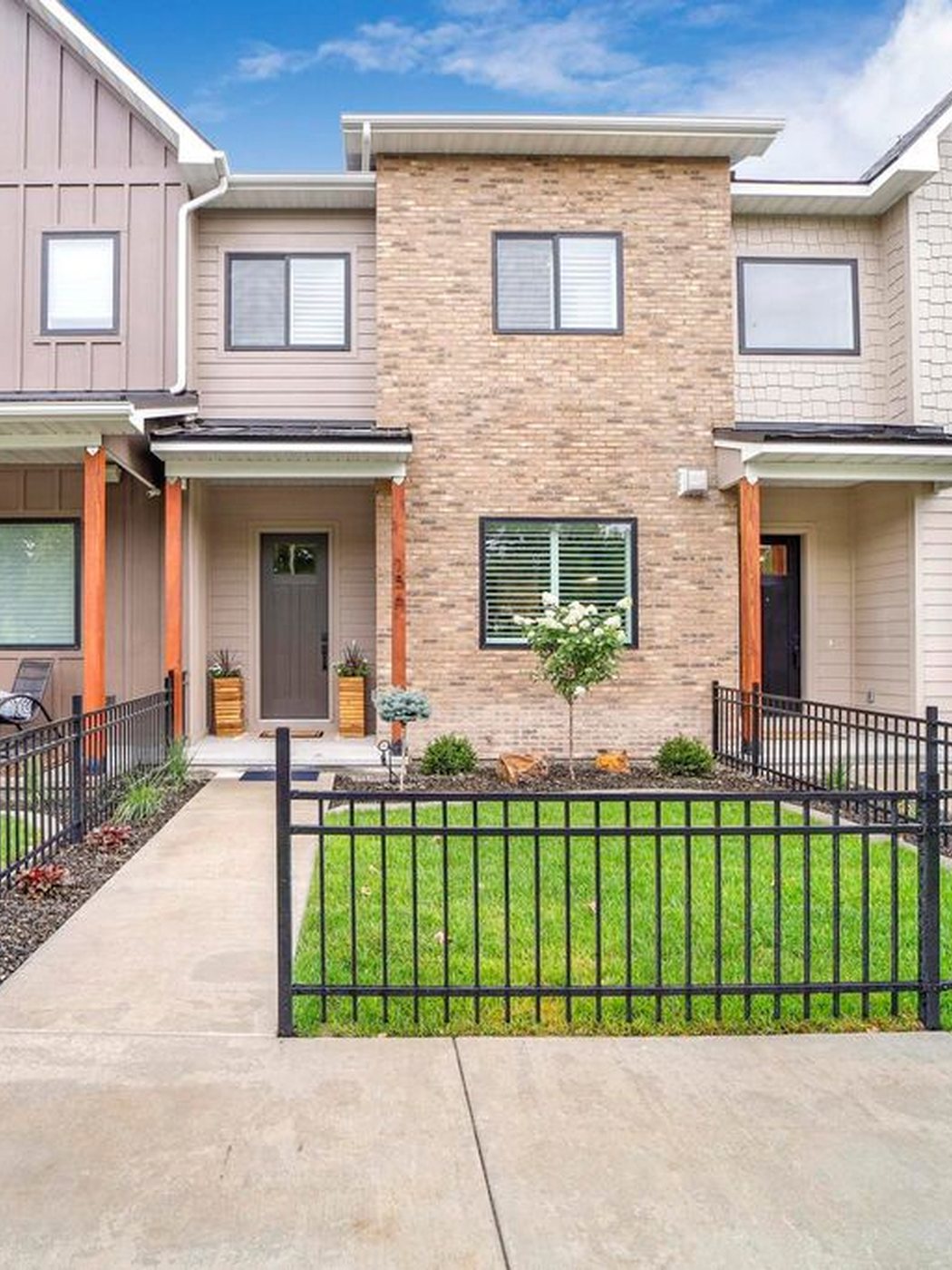 Townhome
 Amenity
 Wood River Valley, Idaho
 Community
Territory · 03
Idaho-headquartered since 2002 — with the systems, structure, and standards to serve boards wherever they are.
Serving communities throughout the United States
Method · 04
 The Record
Governing documents, financials, contracts, insurance, minutes, rosters. Inventoried, reconciled, and moved into one system of record — because you cannot defend what you cannot produce.
Collections, payables, reconciled monthly statements a board can actually read, and an honest look at whether reserves match the replacement schedule. Most boards learn something here they did not want to know. That is the point.
Consistent enforcement. Documented architectural review. Structured meetings and minutes. Vendor accountability. One channel for owners instead of five inboxes.
Capital planning, reserve strategy, and institutional knowledge that transfers cleanly when directors rotate off. Year ten should run like year one.
Standard · 05

An underfunded reserve doesn't become funded because nobody named it. Honest reporting is the only kind that protects an association.

Boards get financials they can read. Owners get answers they can verify. Trust isn't a value statement — it's a documentation practice.

Fewer can tell a board what the next ten years cost, which decisions carry liability, and what the record needs to show.
Record · 06
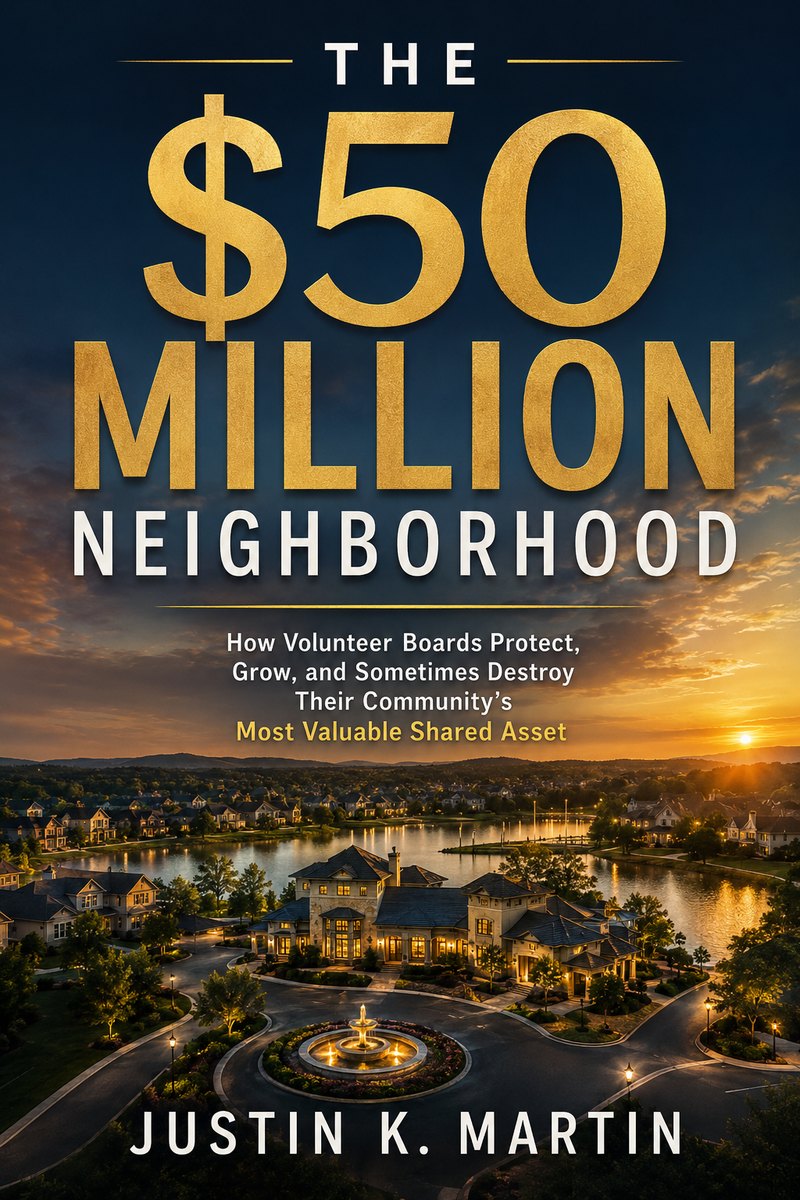
Published Work
By our President, Justin Martin — on the financial reality most boards never see: the true replacement cost of the assets they hold in trust.
View the Book ↗Reference · 07
Full HOA Glossary — 24 terms ↗
A management company carries out the board's decisions and runs the association's daily operations. That means collecting assessments, producing monthly financials, coordinating vendors and maintenance, enforcing the governing documents, preparing meetings, maintaining official records, and advising on compliance and long-term planning. The board governs. The manager executes.
Property management serves an owner or landlord and is oriented toward rental income. Community association management serves a nonprofit corporation governed by an elected volunteer board, and is oriented toward governance, fiduciary duty, reserve funding, and long-term property values. Different client, different duties, different objective.
When volunteer capacity no longer matches the association's obligations. The signals are consistent: financial reporting slips, assessments go uncollected, deferred maintenance accumulates, enforcement becomes inconsistent, and board turnover erases institutional knowledge. Professional management restores continuity, documentation, and defensible process.

Next Step · 08
Tell us about your association and we'll prepare a proposal — scope, structure, and what changes in the first ninety days.